When Faith Meets Grief
Grief often takes us to the edge of our understanding—of ourselves, of the world, and even of God. It’s a spiritual crossroads where the questions become louder than the answers. In Jewish tradition, that tension is not shunned; it’s sanctified.
Whether you are newly grieving or supporting someone who is, Judaism offers both space to mourn and a path toward peace. Jewish grief is not linear, and healing through faith doesn’t mean forgetting. Instead, it’s a journey of holding pain and promise together—of remembering, mourning, and eventually, rebuilding.
In this post, we explore how ancient Jewish traditions and modern faith practices can help offer spiritual comfort after death. Even if you are not Jewish, there is wisdom in this rhythm of lament, ritual, and renewal.
“The Lord is close to the brokenhearted” (Psalm 34:18)
“The Lord is close to the brokenhearted and saves those who are crushed in spirit.” (Psalm 34:18, NIV)
This verse is more than poetic—it’s an anchor. The Hebrew word for “close” (karov) implies intimacy, like the nearness of a parent comforting a child. In times of grief, it can feel like God is silent. But the psalm insists otherwise: God draws near in our heartbreak.
Psalm 34 is a deeply vulnerable text. It doesn’t offer false hope—it offers presence. In Jewish mourning, that divine closeness is mirrored in the communal embrace of rituals like shiva (seven days of mourning), where the bereaved are surrounded by others and relieved from daily responsibilities. The grief is not hidden—it is held.
Mourning as a Form of Faith
One of the most compassionate aspects of Jewish grief tradition is its permission to feel fully. Pain is not a failure of faith—it is part of it.
The book of Job illustrates this beautifully. After unimaginable loss, Job doesn’t pretend everything is fine. He cries out. He questions. And unlike his well-meaning friends, who try to make sense of his suffering, God honors Job’s honesty. As Rabbi Harold Kushner writes in When Bad Things Happen to Good People, “God does not send us the problem; He gives us the strength to deal with it” (Kushner, 2001).
That strength comes, in part, through ritual. The Mourner’s Kaddish—recited daily, often for eleven months after a parent’s death—is a surprising prayer. It doesn’t mention death at all. Instead, it praises God. In doing so, it helps the mourner reframe their loss in the context of eternity and connection.
Why Jewish Mourning Heals: Faith and Psychology
Modern psychology affirms what Judaism has practiced for millennia: grief needs structure. It needs time. It needs meaning.
Jewish mourning has a natural progression:
- Shiva: A week of intense mourning, usually at home, where visitors bring food, prayers, and presence.
- Shloshim: A 30-day period of adjustment, where the mourner begins to return to life’s routine but still observes certain restrictions.
- Avelut: For a parent’s loss, mourning continues for a full year, during which Kaddish is said daily.
These stages give the mourner both space and scaffolding. They don’t rush grief, nor do they leave the mourner alone.
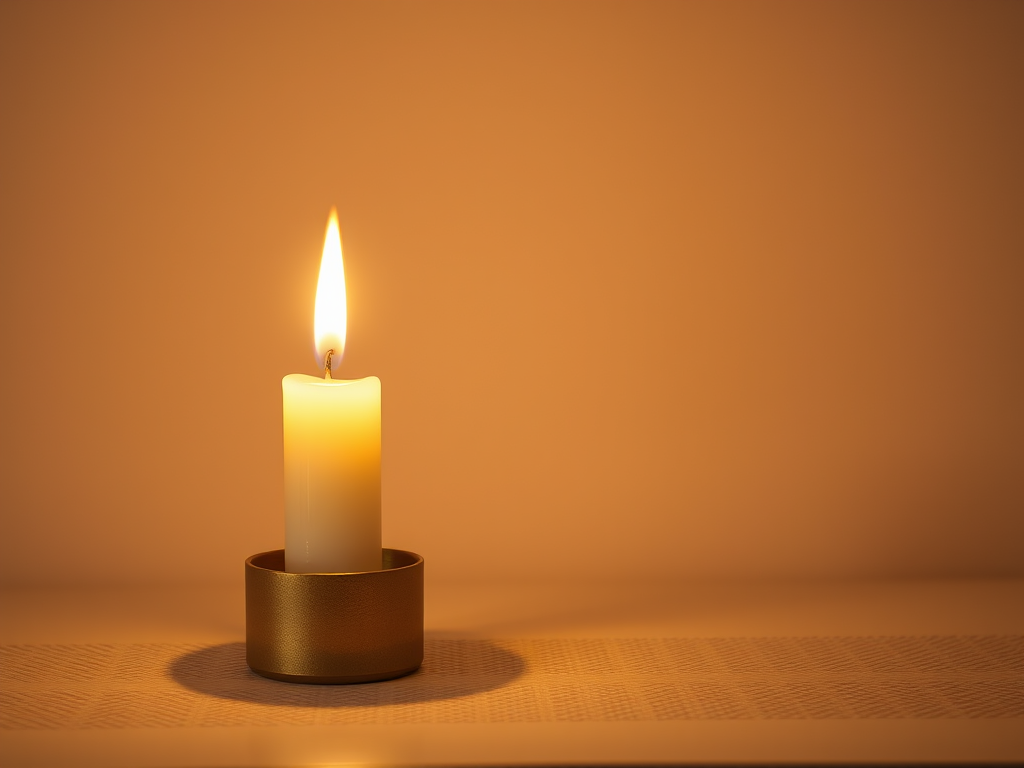
Psychologically, such rituals help the brain integrate trauma. Acts like lighting a yahrzeit candle, tearing one’s garment (keriah), or visiting the grave on anniversaries serve as physical expressions of inner sorrow. According to grief therapist David Kessler, ritual “gives grief a container and helps us metabolize pain” (Kessler, 2020).
Even lament is healing. A third of the Psalms are laments—raw, unfiltered cries to God. The Talmud says, “Even when the gates of prayer are closed, the gates of tears are never closed” (Bava Metzia 59b). In other words: God always hears grief, even when we can’t find the words.
For the Broader Soul: Interfaith and Inclusive Reflections
You don’t need to be deeply religious—or even Jewish—to find meaning in these practices. Many interfaith and secular families adapt Jewish grief rituals, lighting candles or saying personal versions of Kaddish. The goal isn’t perfection; it’s connection.
Other traditions echo these rhythms. Christian liturgy honors lament in the Psalms and All Saints’ Day. Islamic funerals emphasize both submission to God and communal mourning. In Buddhism, rituals guide the soul’s journey and help loved ones release attachment. What these have in common is a spiritual framework for remembering and honoring, not just letting go.
Jewish grief rituals remind us that healing through faith is not about forgetting—but about sanctifying the bond that remains.
The Mystery of the Soul’s Ascent
One lesser-known but deeply beautiful Jewish teaching is the idea that the soul continues to grow after death. Every yahrzeit (death anniversary), it is believed the soul ascends further toward the Divine.
How do we help? Through mitzvot—acts of kindness done in their name. You can donate to a charity they loved, feed the hungry, or light a candle in prayer. These acts don’t just honor their memory—they bless their journey.
As Rabbi Adin Steinsaltz explains, “The soul is a divine spark… eternal and boundless” (Steinsaltz, 1989). In this way, love doesn’t end—it transforms.
Take a Step Toward Healing
Grief may never fully leave us, but it can become a sacred companion. If you are in mourning, know that your pain is part of something ancient, recognized, and held by a greater story. Jewish grief is not only about mourning a death—it is about remembering a life and lifting a soul.
References
- Brueggemann, W. (1984). The Message of the Psalms: A Theological Commentary. Augsburg Publishing House.
- Kessler, D. (2020). Finding Meaning: The Sixth Stage of Grief. Scribner.
- Kushner, H. S. (2001). When Bad Things Happen to Good People. Anchor Books.
- Steinsaltz, A. (1989). The Thirteen Petalled Rose: A Discourse on the Essence of Jewish Existence and Belief. Basic Books.
- The Holy Bible, New International Version. (1984). Zondervan.
 Solviah
Leave a comment